

Pregnancy After 40: Understanding Complications and the Importance of Careful Follow-Up
March 30, 2026Introduction: Pregnancy After 40 Is Increasing and Success Is Possible
In recent years, pregnancy after 40 has become increasingly common. Advances in fertility treatments, especially IVF and egg donation, have allowed many women to achieve a successful pregnancy after 40 with excellent outcomes.
However, it is important to understand that pregnancy after 40 requires a slightly different medical approach. While most pregnancies progress normally, there are certain complications in pregnancy after 40 that doctors monitor more closely.
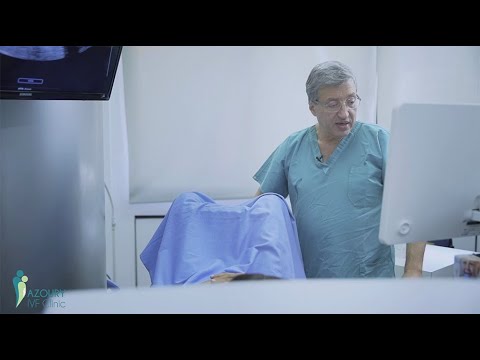
At Azoury IVF Clinic, with more than 40 years of experience and tens of thousands of IVF and ICSI cycles performed, we guide patients through every step of their pregnancy after 40 journey with expertise, reassurance, and personalized care.
Why Is Pregnancy After 40 Considered Different?
A pregnancy after 40 is not inherently dangerous, but it is considered a higher monitoring pregnancy. This means that doctors recommend more frequent follow-up to ensure both mother and baby remain healthy.
Several physiological factors explain why complications in pregnancy after 40 may be slightly more common. These include changes in vascular health, increased baseline risk of certain conditions, and a higher likelihood of pre-existing medical conditions.
Importantly, many women undergoing pregnancy after 40, especially through egg donation, benefit from excellent embryo quality, which significantly improves outcomes.
Common Complications in Pregnancy After 40
Understanding complications in pregnancy after 40 helps patients feel informed rather than alarmed. With proper care, most of these conditions are manageable.
Gestational Diabetes
One of the most frequently discussed complications in pregnancy after 40 is gestational diabetes. It is more common due to metabolic changes and is usually detected through routine screening. It can be managed effectively with diet, monitoring, and sometimes medication. With appropriate care, women with gestational diabetes can have a completely healthy pregnancy after 40.
High Blood Pressure and Preeclampsia
Another important aspect of complications in pregnancy after 40 is the increased risk of hypertension and preeclampsia. This requires regular blood pressure monitoring and may involve additional ultrasounds. Early detection is key and reinforces the importance of structured follow-up during pregnancy after 40.
Placental Conditions
Certain placental conditions are slightly more frequent in pregnancy after 40, including placenta previa and placental insufficiency. These complications in pregnancy after 40 are typically identified early through ultrasound and monitored closely, allowing for safe management.
Cesarean Delivery
Women experiencing pregnancy after 40 have a higher likelihood of cesarean section. This is often a planned and preventive decision based on individualized medical evaluation. It is not necessarily a complication but rather a strategy to ensure safety in pregnancy after 40.
Preterm Birth
There is a slightly increased risk of preterm delivery in pregnancy after 40. However, most pregnancies still reach full term, especially with close monitoring and proper care.
Chromosomal Considerations
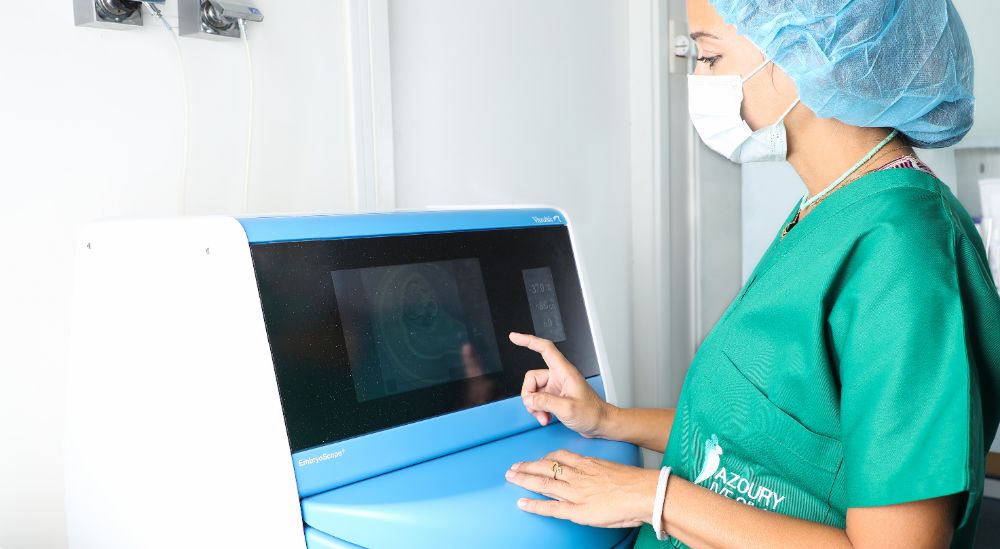
Naturally conceived pregnancy after 40 carries a higher risk of chromosomal abnormalities. However, in IVF with egg donation, this risk is significantly reduced due to the use of younger eggs and advanced embryo selection. This provides strong reassurance for patients undergoing assisted pregnancy after 40.
Why Egg Donation Changes the Perspective
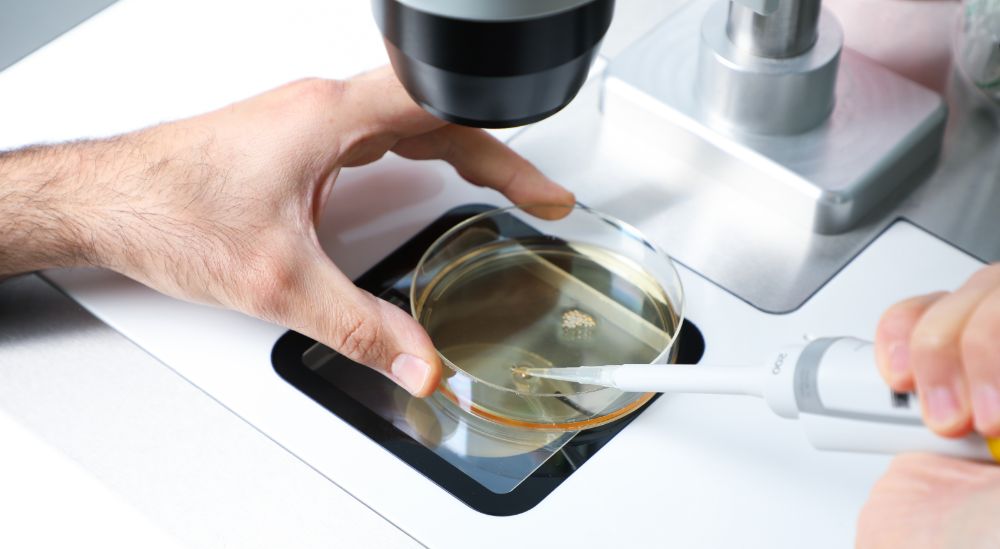
For many patients at Azoury IVF Clinic, pregnancy after 40 occurs through egg donation. This approach offers several advantages, including improved egg quality, lower chromosomal risks, and higher implantation rates.
Therefore, while complications in pregnancy after 40 may still exist, the overall prognosis is often excellent.
The Key Message: Not Risk but Closer Monitoring
The most important takeaway about complications in pregnancy after 40 is that it is not about fear but about closer and smarter follow-up.
At Azoury IVF Clinic, we emphasize more frequent check-ups, advanced ultrasound monitoring, and early screening for all potential complications. This proactive approach ensures that pregnancy after 40 remains safe and reassuring.
What Does Follow-Up Look Like?
A typical follow-up plan for pregnancy after 40 may include regular blood pressure monitoring, glucose screening, first trimester screening or NIPT, detailed anomaly scans, and growth scans in the third trimester. This structured care minimizes the impact of complications in pregnancy after 40.
Why Choose Azoury IVF Clinic?
At Azoury IVF Clinic, we combine over 40 years of experience, tens of thousands of successful cycles, and one of the highest IVF volumes worldwide for a standalone clinic. Our reputation is built on patient trust, advanced technology, and exceptional expertise.
We do not only help you achieve pregnancy after 40, we ensure that your journey is safe, supported, and carefully monitored.
FAQ
Is pregnancy after 40 safe
Yes, with proper monitoring, most pregnancies are safe and successful.
Are complications in pregnancy after 40 common
They are slightly more frequent but usually manageable with good follow-up.
Does egg donation reduce risks
Yes, especially chromosomal risks and implantation issues.
Will I need more check-ups
Yes, but this is a preventive and reassuring approach.
Conclusion: Confidence Through Care
A pregnancy after 40 is no longer rare and is often very successful. While there are some complications in pregnancy after 40, they are well understood, predictable, and manageable.
With the right medical team and proper follow-up, patients can approach pregnancy after 40 with confidence and peace of mind.
If you want to learn more about fertility treatments and pregnancy care, visit Azoury IVF Clinic.