

What Is Egg Donation and How Does It Work?
March 09, 2026For many women facing fertility challenges, modern reproductive medicine offers several paths to parenthood. One of the most effective options is egg donation, a fertility treatment that allows women who cannot use their own eggs to achieve pregnancy using donor eggs.
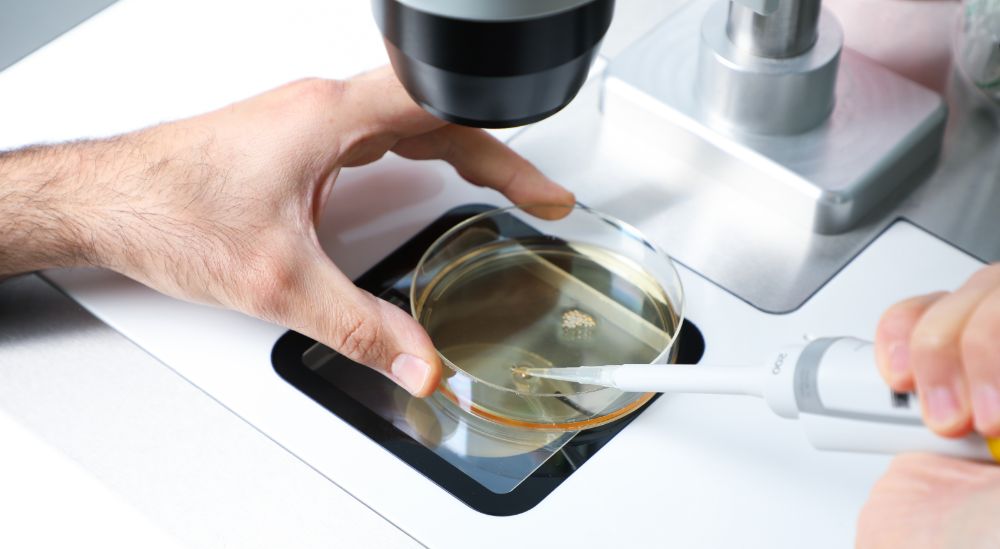
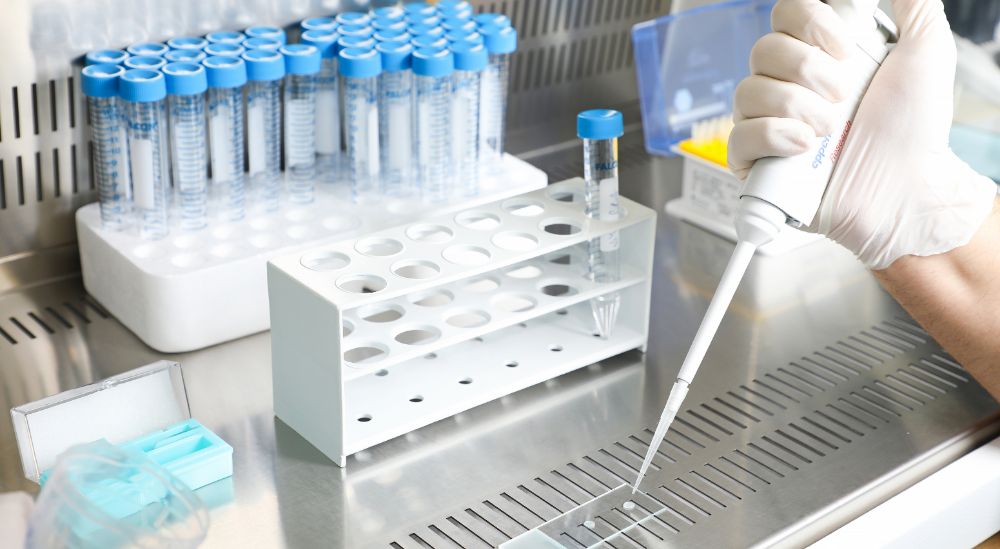
Through egg donation, eggs from a healthy egg donor are fertilized with sperm in an IVF laboratory. The resulting embryo is then transferred into the uterus of the recipient, allowing her to carry the pregnancy. This treatment has helped many couples worldwide overcome infertility caused by diminished ovarian reserve, genetic concerns, or previous IVF failure.
If you are considering egg donation, understanding how the process works can help you feel more confident and informed as you explore your fertility options.
-
Understanding Egg Donation in Fertility Treatment
Egg donation is a form of IVF in which eggs from a donor are used instead of the recipient's own eggs. The donor is usually a young, healthy woman with a strong ovarian reserve and no significant genetic risks.
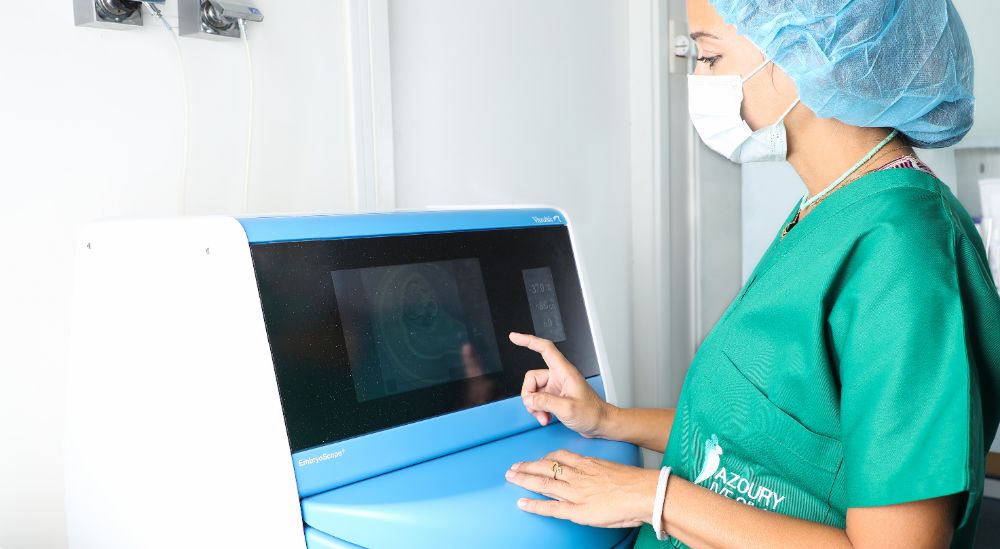
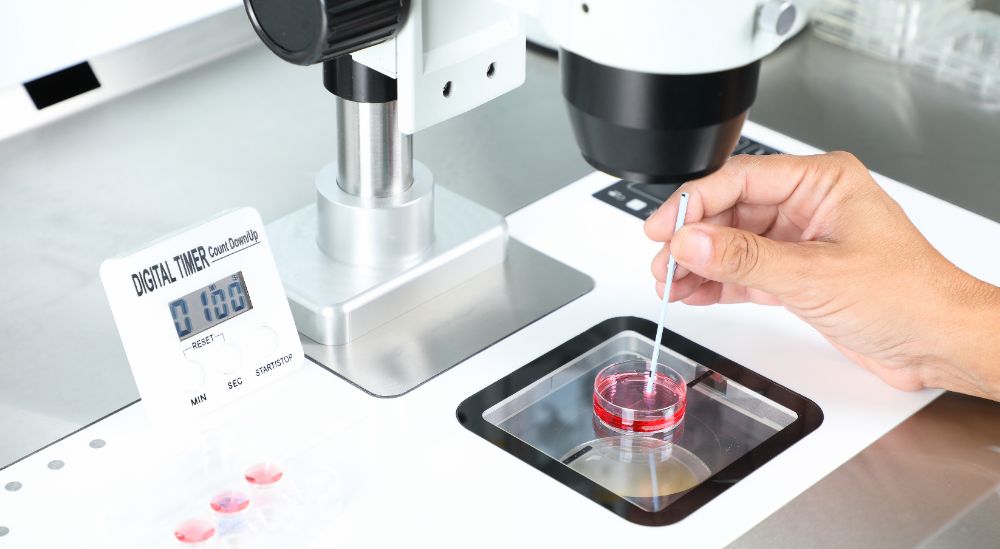
The eggs are retrieved after ovarian stimulation and fertilized in the laboratory with sperm from the recipient’s partner or a sperm donor. After fertilization, embryos develop in a controlled laboratory environment until they reach the blastocyst stage.
At this point, the most viable embryo is selected for embryo transfer into the recipient’s uterus. Because the recipient carries the pregnancy herself, she experiences the full gestational journey even though the egg originated from a donor.
Egg donation has become one of the most successful fertility treatments available in assisted reproduction.
-
Why Some Women Need Egg Donation
There are several medical reasons why egg donation may be recommended.
One of the most common reasons is diminished ovarian reserve. As women age, the number and quality of their eggs decline. This decline often accelerates after the age of 35 and becomes more pronounced after 40.
Women may also consider egg donation if they have:
- Premature ovarian insufficiency
- Poor egg quality during previous IVF cycles
- Repeated IVF failure
- Genetic conditions they do not wish to pass on
- Surgical removal of the ovaries
- Chemotherapy or radiation that affected ovarian function
In these situations, using donor eggs can significantly increase the chances of successful fertilization and embryo development.
-
How the Egg Donation Process Works
Although every fertility clinic has slightly different protocols, the egg donation process usually follows several key steps.
Selecting an Egg Donor: The first step in egg donation is choosing an egg donor. Donors are carefully screened for medical history, genetic conditions, and overall health.
Clinics typically evaluate:
- Age and ovarian reserve
- Family medical history
- Infectious disease screening
- Psychological readiness
The goal is to ensure the donor is healthy and that the eggs have strong reproductive potential.
Ovarian Stimulation: Once the donor is selected, she undergoes ovarian stimulation. Hormonal medications encourage the ovaries to produce multiple mature eggs in one cycle. This stage usually lasts about 10 to 12 days and is monitored with blood tests and ultrasound scans.
Egg Retrieval: When the follicles reach the right size, the eggs are collected through a minor procedure called egg retrieval. The procedure is performed under light sedation and typically takes about 20 minutes. The eggs are immediately transferred to the IVF laboratory.
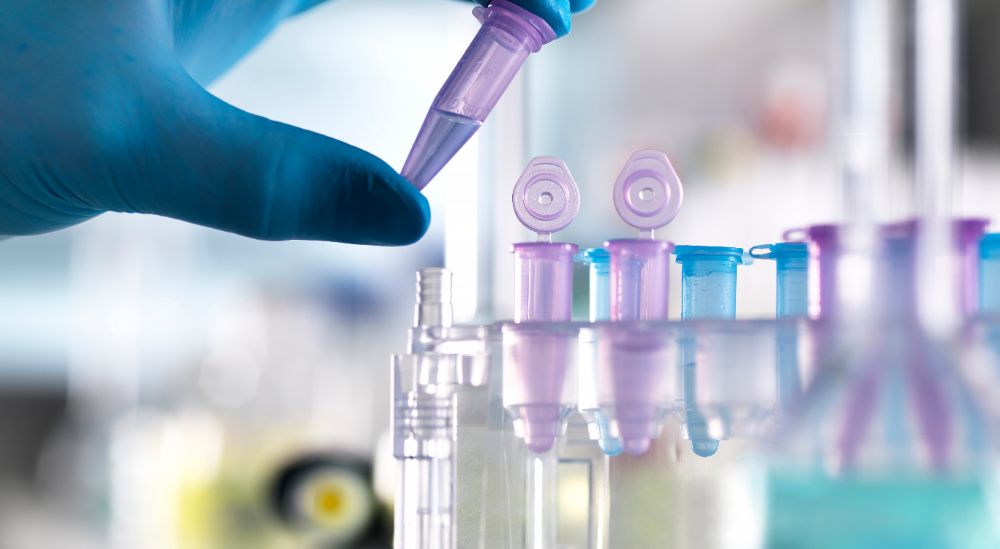
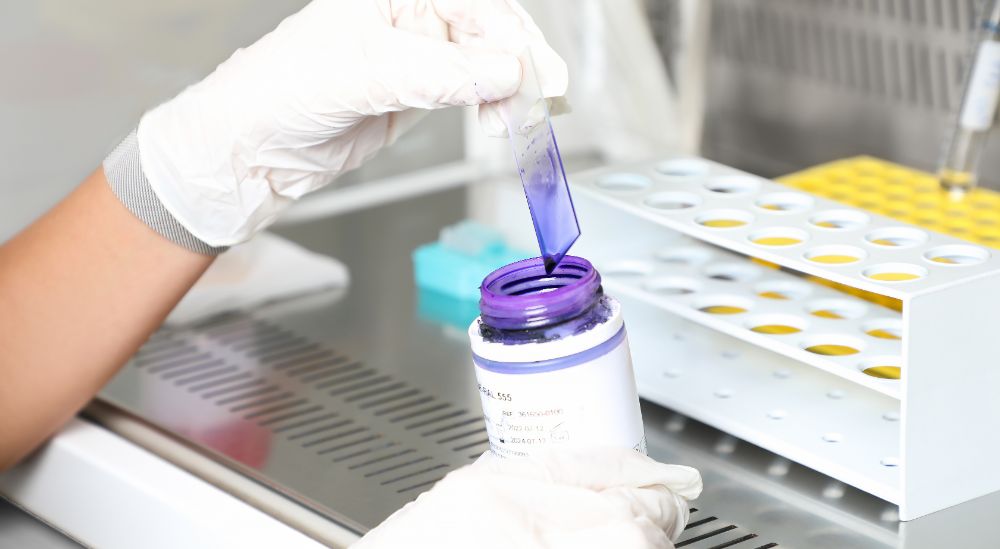
Fertilization and Embryo Development: In the laboratory, the eggs are fertilized with sperm using IVF or intracytoplasmic sperm injection (ICSI). The fertilized eggs develop into embryos over several days. Embryologists monitor their growth carefully until they reach the blastocyst stage.
Preparing the Recipient’s Uterus: While the donor undergoes stimulation, the recipient prepares her endometrium with hormonal medication. This ensures that the uterus is ready to receive the embryo. A well-prepared endometrium is essential for successful implantation.
Embryo Transfer: Finally, the best quality embryo is transferred into the recipient’s uterus. This simple procedure takes only a few minutes and does not require anesthesia. About 10 to 12 days later, a pregnancy test determines whether implantation occurred.
-
Success Rates of Egg Donation
One of the reasons egg donation is widely used in fertility medicine is its high success rate.
Because egg donors are typically young and have excellent ovarian reserve, the eggs tend to be of higher quality than those of older patients. This improves embryo quality and increases the likelihood of implantation.
Success rates depend on several factors including:
- Age and health of the donor
- Quality of the embryo
- Receptivity of the endometrium
- Laboratory conditions and IVF expertise
For many women who have struggled with infertility for years, egg donation provides a realistic and hopeful path toward pregnancy.
-
Medical and Emotional Considerations
Choosing egg donation is not only a medical decision but also an emotional one. Many women initially need time to process the idea of using donor eggs.
It is normal to have questions such as:
- Will I feel connected to the baby?
- How does genetics affect the child?
- Should I tell family members or the child in the future?
Counseling and support can help couples navigate these questions. This support is provided for free at Azoury IVF Clinic, as Dr. Jessica Azoury ensures all patients undergoing IVF with an egg donor receive the proper guidance. Most women who proceed with egg donation report that once they experience pregnancy and childbirth, their emotional bond with the baby feels completely natural.
-
The Role of the Fertility Clinic
A specialized fertility clinic plays a crucial role in the success of egg donation.
Clinics coordinate every stage of the process, including:
- Donor screening and matching
- Ovarian stimulation monitoring
- Laboratory fertilization and embryo culture
- Endometrial preparation
- Embryo transfer
Azoury IVF Clinic takes pride in its advanced IVF laboratory and experienced reproductive specialists, which significantly influence outcomes.
At Azoury IVF Clinic, a personalized treatment plan ensures that each patient receives care tailored to her medical history and reproductive goals.
-
Is Egg Donation Right for You?
Egg donation is often considered when other fertility treatments have not been successful or when egg quality is severely compromised.
For women who wish to experience pregnancy and childbirth despite ovarian challenges, egg donation can be a powerful and effective solution.
Speaking with one of our fertility specialists allows you to review your ovarian reserve, previous treatments, and overall reproductive health. Together, we can determine whether this option fits your path to parenthood.
Conclusion
Egg donation offers hope to women who are unable to conceive using their own eggs. By combining donor eggs with advanced IVF techniques, this treatment creates a valuable opportunity for pregnancy, childbirth, and parenthood.
To learn more about the full egg donation process, consulting with our specialized fertility team at Azoury IVF Clinic can help you explore the next steps with confidence.