
Egg Donation: A Complete Guide for Patients
April 17, 2026For many women facing infertility, egg donation offers a powerful and hopeful path toward motherhood. Advances in reproductive medicine have made egg donation one of the most successful fertility treatments available today. By using healthy donor eggs, women who cannot conceive with their own eggs may still experience pregnancy and childbirth.
At Azoury IVF Clinic, patients considering egg donation receive personalized guidance from the experienced fertility team, including the support of Dr. Jessica Azoury and the unmatched expertise of Dr. Joseph Azoury. Their approach combines medical excellence with compassionate care to help patients understand each step of the egg donation journey.
If you are exploring your fertility options, learning about egg donation can help you determine whether this treatment may be right for you.
For a full overview of the medical program, you can read more about the egg donation process at Azoury IVF Clinic: egg donation treatment program
What Is Egg Donation?
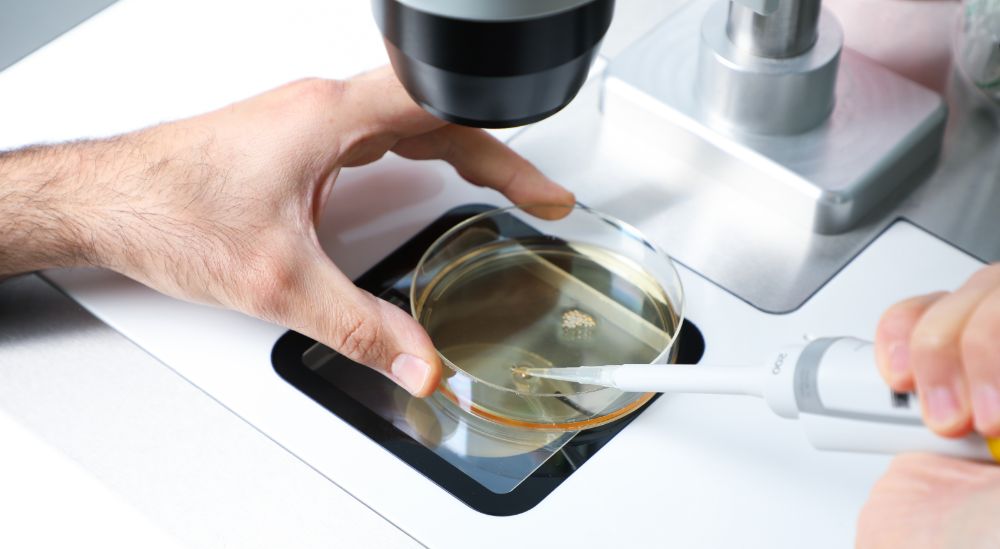
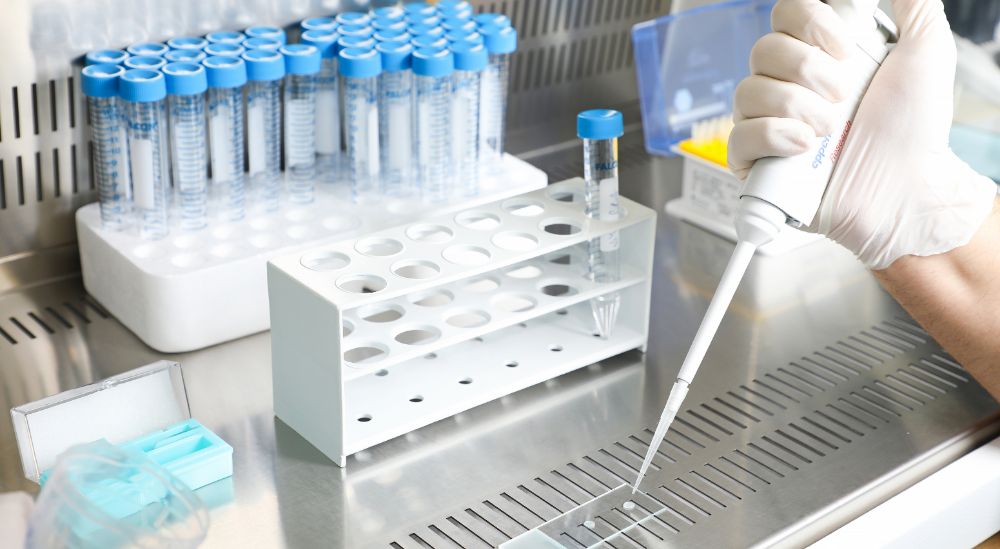
Egg donation is a fertility treatment in which a woman receives eggs from a healthy egg donor. These eggs are fertilized in the laboratory through IVF using sperm from the recipient's partner or a donor. The resulting embryos develop in the lab until they reach the blastocyst stage and are then transferred into the recipient's uterus.
The recipient carries the pregnancy, even though the eggs came from another woman.
Egg donation is often recommended when a woman’s ovarian reserve is very low or when her eggs are unlikely to produce healthy embryos.
In modern fertility medicine, egg donation IVF has become one of the most reliable treatments for patients facing difficult reproductive challenges.
Who Can Benefit from Egg Donation?
Many different medical conditions can lead couples to consider egg donation.
Women with Diminished Ovarian Reserve
As women age, the number and quality of eggs decline. When the ovarian reserve becomes very low, IVF with one's own eggs may have limited success. Egg donation allows these patients to use younger, healthier eggs.
Women with Premature Ovarian Failure
Some women experience early menopause or premature ovarian insufficiency. In these situations, egg donation may be the only effective fertility treatment.
Genetic Concerns
When there is a risk of passing a serious inherited disease, egg donation allows patients to avoid transmitting certain genetic conditions to their child.
Repeated IVF Failure
After several unsuccessful IVF cycles, doctors may recommend egg donation to improve the chances of producing high quality embryos.
At Azoury IVF Clinic, every patient receives a detailed fertility assessment before deciding whether egg donation is the best approach.
The Egg Donation IVF Process
Understanding the egg donation process can make the journey feel less overwhelming.
1. Selection of the Egg Donor
The first step in egg donation is choosing a suitable egg donor. Donors are carefully screened for medical history, genetic health, and overall wellbeing.
Many recipients choose donors whose physical traits resemble their own.
2. Ovarian Stimulation of the Donor
The egg donor undergoes ovarian stimulation, a process in which fertility medications stimulate the ovaries to produce multiple eggs in one cycle.
The eggs are retrieved through a minor procedure performed under sedation.
3. Fertilization in the IVF Laboratory
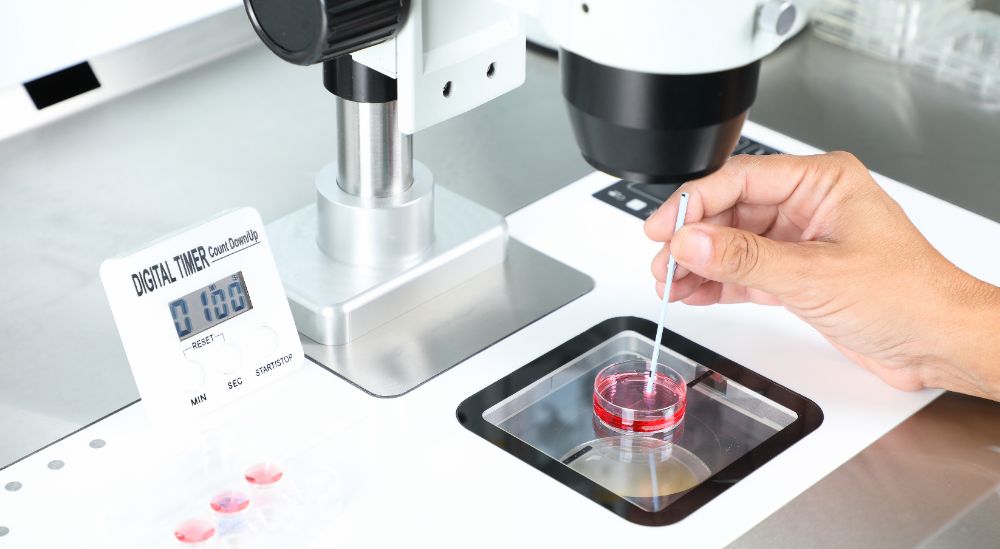
The retrieved eggs are fertilized with sperm using IVF or ICSI. The embryos are then cultured in the laboratory until they reach the blastocyst stage.
4. Preparing the Recipient's Uterus
While the donor undergoes stimulation, the recipient prepares her uterus using hormonal medication that optimizes the endometrium for implantation.
5. Embryo Transfer
One or two embryos are transferred into the uterus during a simple procedure called embryo transfer. This step is painless and does not require anesthesia.
Success Rates of Egg Donation
One of the major advantages of egg donation is its high success rate compared to other fertility treatments.
Because donor eggs usually come from young and healthy women, the quality of embryos is often significantly higher than embryos created with older eggs.
Success rates for egg donation IVF can reach 50 to 70 percent per embryo transfer, depending on the clinic and individual patient factors.
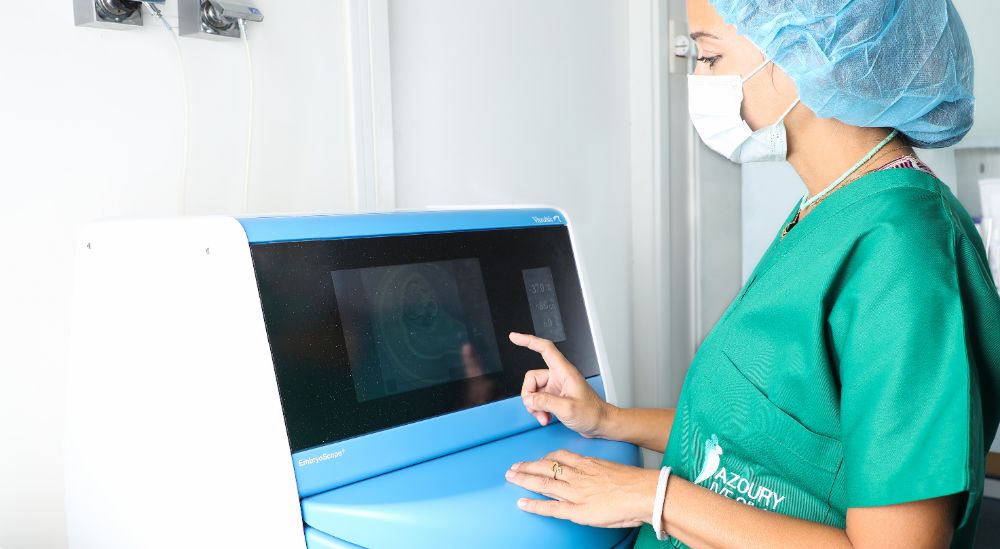
At Azoury IVF Clinic, advanced laboratory technology and decades of expertise contribute to strong outcomes in egg donation cycles.
Still, it is important to remember that fertility treatments cannot guarantee pregnancy. Each case must be evaluated individually.
Emotional Considerations of Egg Donation
Choosing egg donation can involve complex emotions for many women and couples.
Some patients initially struggle with the idea that the child will not share their genetic material. However, many discover that pregnancy, childbirth, and parenting create a deep emotional bond regardless of genetics.
Support from fertility specialists can help patients navigate this journey with confidence.
At Azoury IVF Clinic, the team understands that egg donation is not only a medical decision but also a personal and emotional one. Patients receive counseling and clear explanations at every step.
Preparing for an Egg Donation Cycle
Preparing properly can help ensure the best possible conditions for egg donation IVF.
Doctors often recommend:
- Maintaining a healthy weight
- Avoiding smoking and alcohol
- Taking prenatal vitamins
- Managing stress levels
- Following medical instructions carefully
Preparing the endometrium correctly is particularly important because implantation occurs in the uterine lining.
Close monitoring allows fertility specialists to determine the ideal moment for embryo transfer.
Why Choose Azoury IVF Clinic for Egg Donation?
Selecting the right fertility center is one of the most important decisions when pursuing egg donation.
- Decades of expertise in advanced IVF techniques
- Personalized care for each egg donation case
- Modern embryology laboratories
- Close medical supervision throughout treatment
Patients are guided at every stage by the experienced team, including Dr. Jessica Azoury, with the unmatched expertise of Dr. Joseph Azoury.
Frequently Asked Questions About Egg Donation
Is egg donation safe?
Yes. Both donors and recipients undergo careful medical screening. The procedures involved in egg donation are well established and considered safe when performed by experienced specialists.
Will the baby be genetically related to the mother?
With egg donation, the baby inherits genetic material from the egg donor and the sperm provider. However, the recipient experiences pregnancy and childbirth.
How long does the egg donation process take?
Most egg donation cycles take about four to six weeks from donor stimulation to embryo transfer.
Conclusion
For many women facing infertility, egg donation offers a remarkable opportunity to achieve pregnancy and build a family. Advances in IVF, improved embryo culture to the blastocyst stage, and careful preparation of the endometrium have made egg donation one of the most successful fertility treatments available.
Patients considering this option benefit from working with experienced specialists who can guide them through every step of the process.
At Azoury IVF Clinic, the dedicated team including Dr. Jessica Azoury and the renowned expertise of Dr. Joseph Azoury provide compassionate support and advanced reproductive care for individuals exploring egg donation.
To learn more about the treatment and the medical program, visit: learn more about egg donation